
Introduction
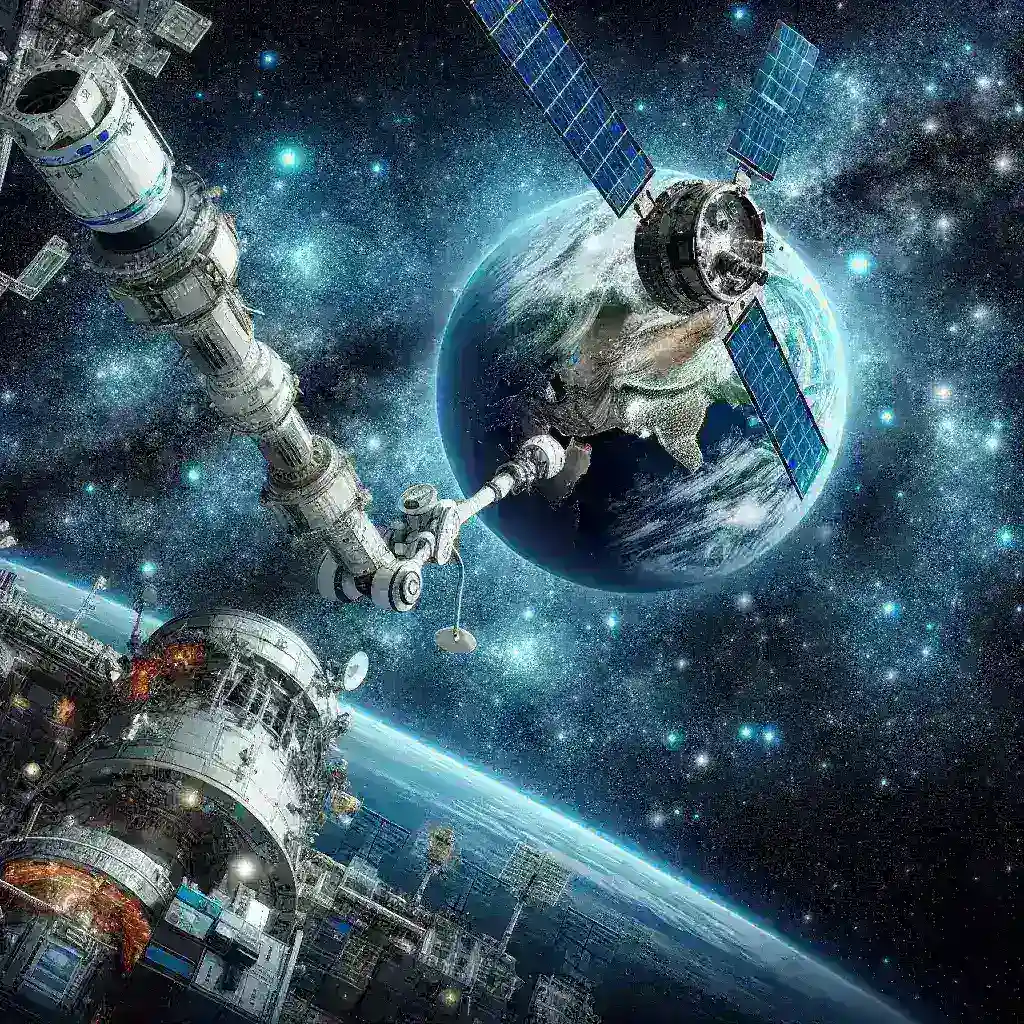
In recent years, space exploration has transitioned from ambitious dreams to practical realities, and one significant area of development is satellite maintenance. NASA’s tests on robotic refueling of satellites in geostationary orbit mark a pivotal advancement in this field, with the potential to revolutionize how we manage and sustain our presence in space.
The Importance of Satellite Refueling
Satellites play a crucial role in modern communication, weather forecasting, navigation, and scientific research. However, their operational lives are often limited by the fuel they carry, which powers their positioning and maneuvering capabilities. Traditional satellites are typically designed for a lifespan of 10 to 15 years. Once they run out of fuel, they become inactive and contribute to space debris, posing risks to operational satellites and future missions.
Why Robotic Refueling?
- Extended Lifespan: Robotic refueling can significantly extend the operational life of satellites, allowing them to continue their missions for several years beyond their intended lifespan.
- Cost Efficiency: Refueling existing satellites is often more cost-effective than launching new ones, reducing the financial burden on space agencies and companies.
- Reducing Space Debris: By prolonging the life of existing satellites, we can reduce the amount of space debris generated, contributing to safer space operations.
NASA’s Robotic Refueling Mission (RRM)
The Robotic Refueling Mission (RRM) is a groundbreaking initiative by NASA aimed at developing technologies necessary for robotic servicing of satellites. Launched in 2011, the RRM tested various components and technologies required for refueling, including the capability to transfer fuel and perform repairs autonomously.
Key Objectives of RRM
- Demonstrate Fuel Transfer: The RRM aimed to show that fuel could be transferred from a robotic vehicle to a satellite in orbit.
- Develop Tools and Techniques: NASA developed specialized tools to manipulate satellite components and refill their fuel tanks without manual intervention.
- Test Autonomous Operations: One of the primary goals was to assess the ability of robotic systems to perform complex tasks autonomously.
Recent Tests and Developments
In 2023, NASA conducted a series of advanced tests focusing on the refueling of satellites in geostationary orbit. This phase of testing incorporated lessons learned from earlier missions and involved new technology designed to enhance refueling efficiency.
Advanced Robotic Systems
The robotic systems employed in these tests featured cutting-edge artificial intelligence and machine learning capabilities, enabling them to adapt to the unique challenges of refueling operations. The robots were equipped with sensors and cameras that provided real-time data, allowing them to navigate and operate with precision.
Fuel Transfer Techniques
During the tests, NASA successfully demonstrated various fuel transfer techniques, showcasing the ability to connect and disconnect fuel lines with minimal human intervention. These techniques are essential for ensuring safe and effective refueling operations in the harsh environment of space.
Future Implications of Robotic Refueling
The success of NASA’s robotic refueling tests has significant implications for the future of satellite operations and space exploration.
Potential Benefits
- Increased Flexibility: With the ability to refuel satellites, operators can respond to changing mission requirements or extend missions based on evolving scientific needs.
- New Business Models: The commercial satellite industry could see a shift towards services that prioritize maintenance and refueling, creating new revenue streams.
- Enhanced Scientific Research: Longer-lasting satellites mean more data collection opportunities, contributing to advancements in various scientific fields.
Challenges Ahead
Despite the promising results, several challenges remain before robotic refueling can become standard practice. These include:
- Technological Development: Continued advancements in robotic technology and artificial intelligence are necessary to ensure reliability and safety.
- Regulatory Framework: Establishing international guidelines and agreements for satellite servicing will be essential to avoid conflicts and ensure safe operations.
- Public Awareness: Increasing public and governmental support for satellite servicing initiatives is vital for securing funding and resources.
Conclusion
NASA’s pioneering work on robotic refueling of satellites in geostationary orbit represents a leap forward in how we approach satellite maintenance and sustainability. By extending the lifespan of satellites and reducing space debris, these advancements not only enhance operational efficiency but also pave the way for a more sustainable future in space exploration.
Final Thoughts
As we stand on the brink of a new era in space technology, the implications of these tests extend beyond mere satellite maintenance. They open up possibilities for more ambitious space missions, including crewed missions to Mars and beyond. The future is indeed bright for robotic servicing in the cosmos.